Tempe Bathroom Tile
Bathroom Tile Installation in Tempe, AZ
Shower walls, floors, mosaics and accent tile, installed over the right waterproofing and substrate.
Tempe Bathroom Tile
Shower walls, floors, mosaics and accent tile, installed over the right waterproofing and substrate.
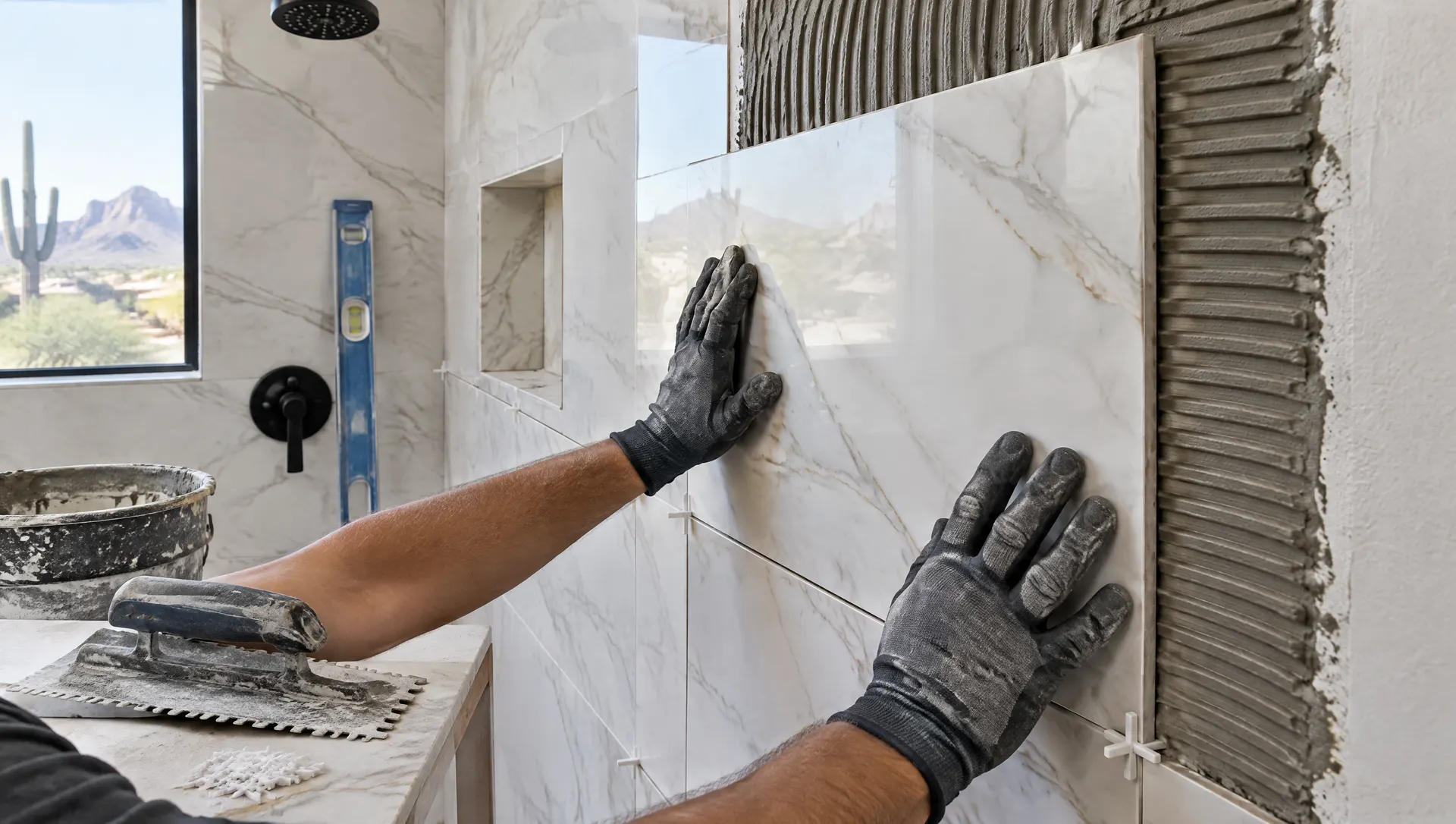
Tile is what you see in a finished bathroom, but how long it lasts depends on what is underneath. Shower tile goes over a waterproof membrane on a solid backer, and floor tile needs a flat, sound surface so it does not crack or rock.
We help you choose tile that fits the room: matte, slip-resistant porcelain for floors and shower pans, larger-format tile for fewer grout lines on walls, and mosaics where you want texture or a better grip.
Then we lay out the job so cuts land in the corners, grout lines stay straight, and the niche and trim line up with the tile.
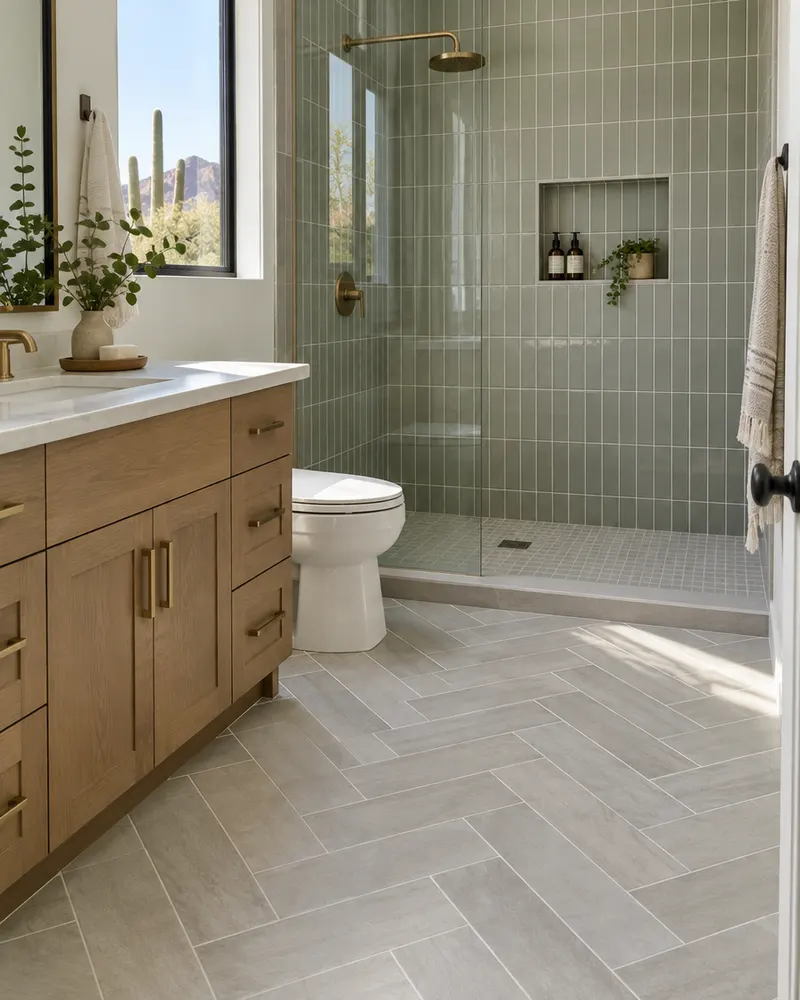
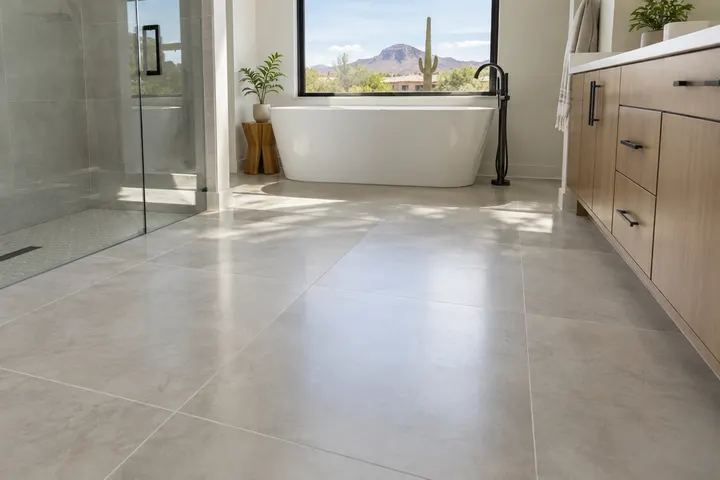
Large-format and plank porcelain for bathroom floors, with tight, even grout lines.
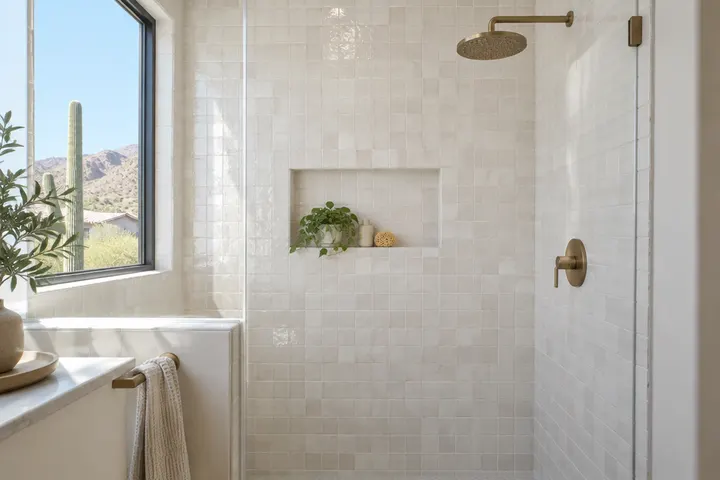
Floor-to-ceiling wall tile, from classic subway to large slabs.
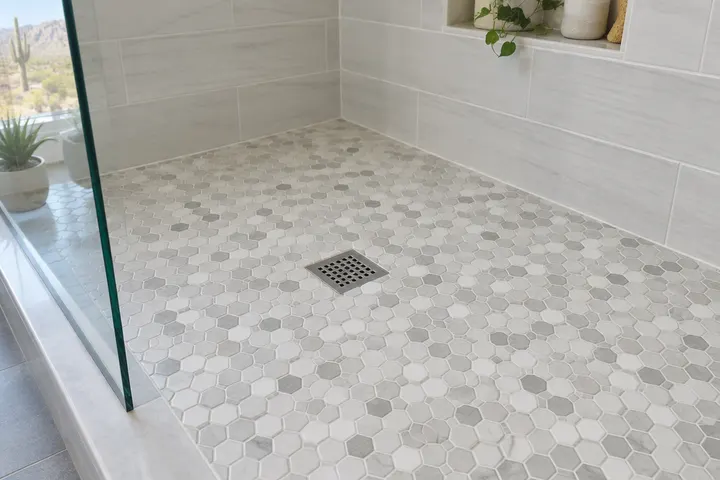
Small tiles that follow the slope to the drain and give better grip.
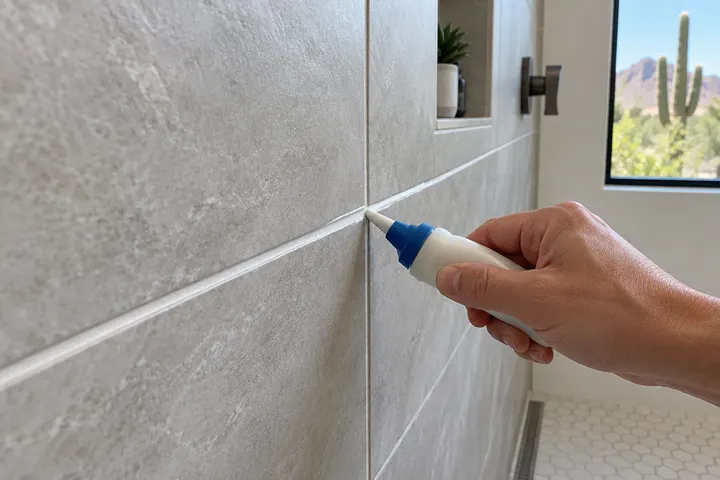
Cement or epoxy grout, sealed where needed to resist stains and hard-water buildup.
| Tile | Best for | Water resistance | Upkeep |
|---|---|---|---|
| Porcelain | Floors, showers, walls | Very high | Low |
| Ceramic | Walls, backsplashes | Good when glazed | Low |
| Natural stone | Feature walls, floors | Varies; needs sealing | Higher |
| Glass or mosaic | Accents, shower floors | High | Grout upkeep |
Matte porcelain is the most common choice because it is durable, water-resistant and less slippery than polished tile.
We usually remove old tile so we can check and waterproof the substrate. Tiling over tile can hide problems.
Cement grout is standard. Epoxy grout costs more but resists stains and does not need sealing.
Grout and setting materials need time to cure, usually a few days. We tell you exactly when it is ready.
Tell us which surfaces you want tiled. We will measure and help you choose materials.
Free estimate, no obligation